Stop polluting nurdles or face legal action
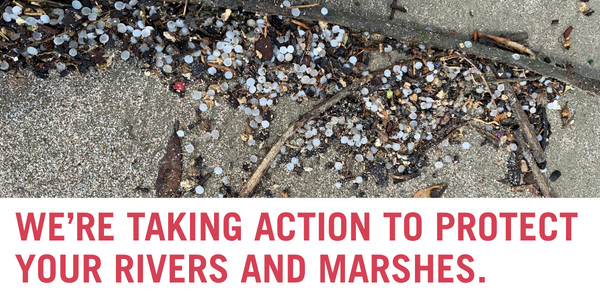
Last week, we sent a letter explaining our intent to pursue legal action in federal court against three industrial facilities and South Carolina Ports Authority officials for polluting your waterways with plastic pellets.
Evidence collected over the past six years reveals the Cooper River is a major hotspot for plastic pellet pollution. Our team documented more than 25,000 plastic pellets during recent sampling. These alarming numbers indicate our area has one of the worst nurdle pollution problems in the country.
Agru America, Frontier Logistics, Ray-Mont Logistics, and the SC Ports Authority all operate facilities that handle large volumes of microplastic pellets, known as nurdles, on the banks of the Cooper River. Represented by the Southern Environmental Law Center, we have formally notified these facilities and officials that if they don’t stop polluting, we are prepared to take legal action to hold them accountable.
The message is simple: stop polluting our estuary.
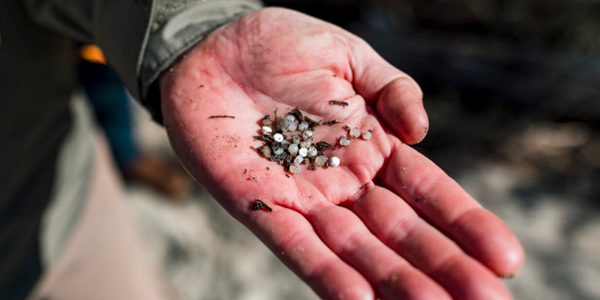
Photo credit to Joel Caldwell
See more about what we’re finding in the Post & Courier and ABC 4.
Sound familiar? We’ve been here before. When massive amounts of nurdles washed up on Sullivans Island back in 2019, the Department of Environmental Services failed to enforce clean water laws, so we took legal action. Along with the Coastal Conservation League and Southern Environmental Law Center, we filed a lawsuit against those responsible and successfully reached a $1 million settlement. But it’s clear the problem persists.
The plastic pellet pollution washing up on your beaches and in your marshes is not the result of a one-off spill; it’s a chronic, consistent, problem that has gone unaddressed.
Bottom line–this problem is 100% preventable. This action starts the clock on fixing this problem once and for all. The notice reminds these facilities and officials that they have a responsibility to clean up their operations. Accountability isn’t optional. Microplastic pellets don’t belong in your rivers and marshes.