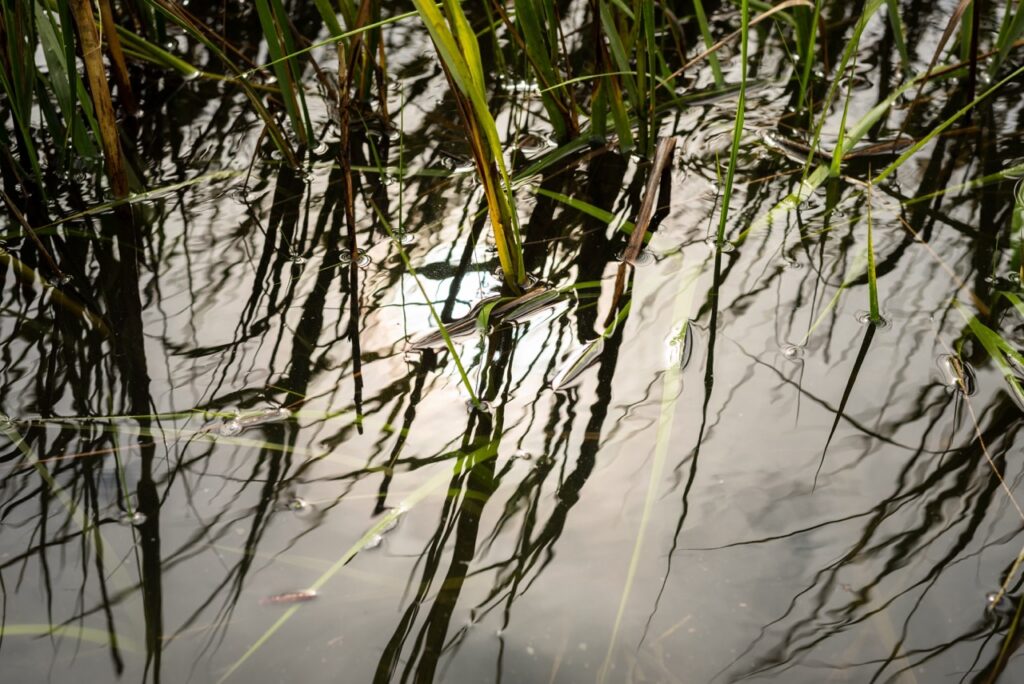
White Tract Will Be Permanently Protected in Big Win for Cape Romain Wildlife Refuge
All photos courtesy of Kaitlyn Hackathorn
A long fought battle comes to an end after years of sustained advocacy. The 229-acre White Tract in Awendaw, SC sits adjacent to the Cape Romain National Wildlife Refuge and is the focus of more than a decade’s worth of relentless action to defend water quality, wildlife habitat, and the integrity of South Carolina’s coastal wilderness. Now, this pristine land will be permanently conserved.
Together with Friends of Coastal South Carolina and the Coastal Conservation League and represented by the South Carolina Environmental Law Project, we’re proud to announce a settlement with Pulte Homes to achieve the best outcome for this vulnerable property: permanent protection. Under our agreement, Open Space Institute will purchase the land, preserve the landscape, and eventually expand the boundaries of the Refuge.
The agreement prevents the 200+ septic tanks planned for this site and stormwater runoff destined for the Refuge. This positive outcome is the result of years of sustained advocacy and conservation organizations sticking together to make sure this ecologically critical landscape remains undisturbed.
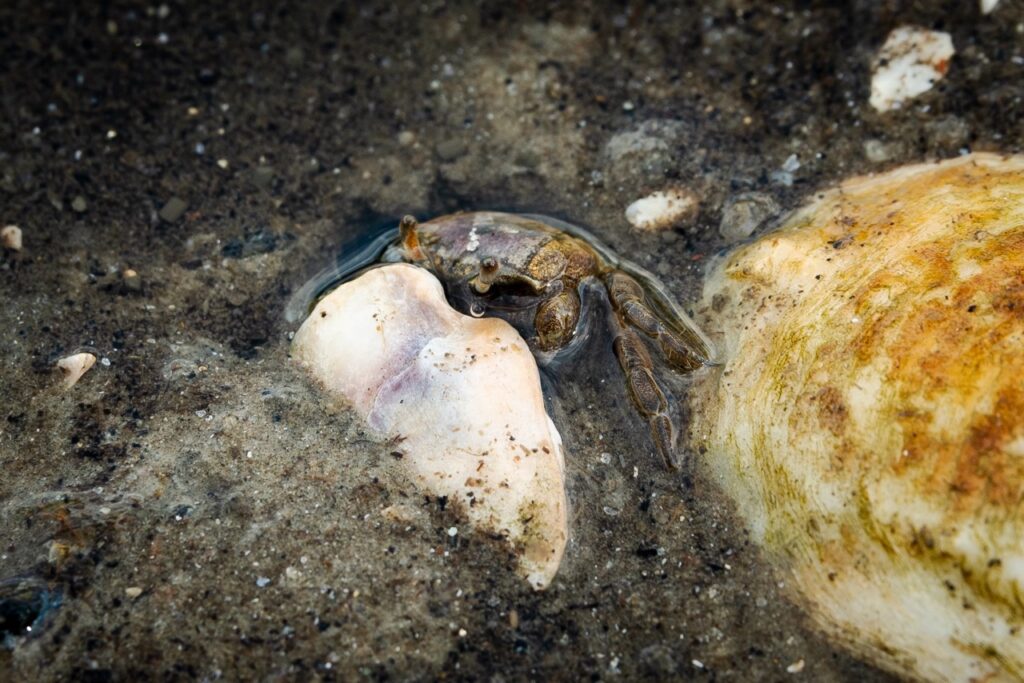
This win means no development, no septic tanks, and no runoff pollution entering the refuge and your waterways.
If you have ever visited the Cape Romain NWR, you know it is a place unlike any other in our area and is often the subject of conservation fights and feats. More than three quarters of the Refuge is an estuary, and the health of its salt marshes and winding tidal creeks are foundational to its overall vitality.
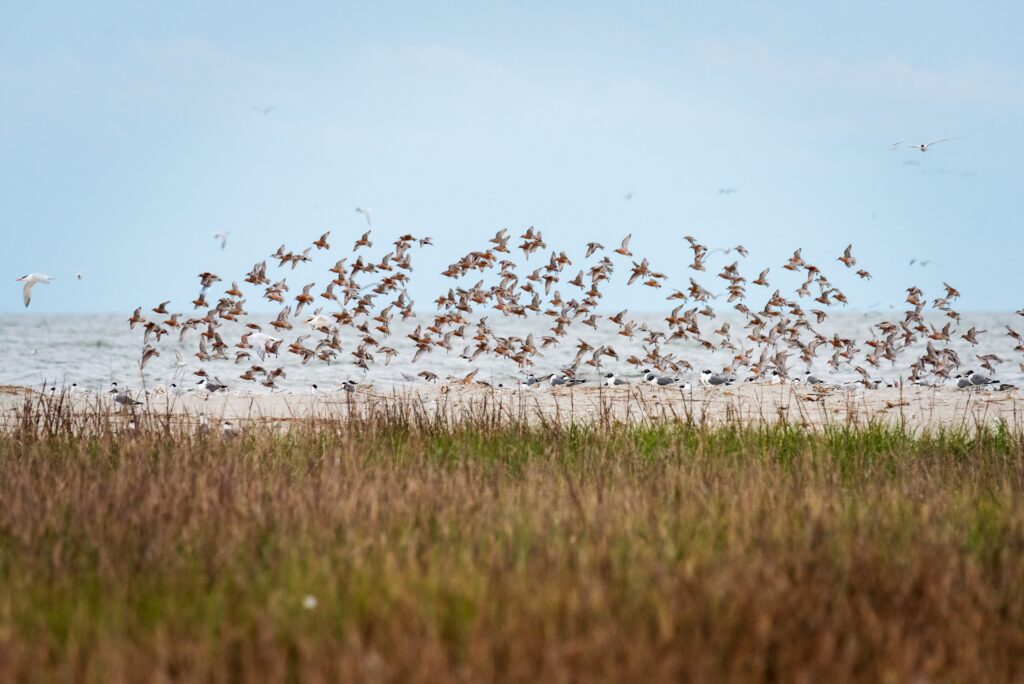
It’s home to horseshoe crabs, a key food source for migrating Red Knots on their journey between the arctic circle and South America. The shoreline of the refuge also charts the highest number of sea turtle nests in the state, and has been critical to restoring species populations over the last decade.
In the face of intense growth pressure, conserving the White Tract will prove crucial for resilience, strengthen the Refuge’s foothold on the mainland, and buffer the area from incompatible development.
See you in the wilderness soon.