What’s new in the fight for clean water? Check out these advocacy wins so far this year.
These last 12 months have been some of the most active and exciting in my 15 years at Charleston Waterkeeper. I’ve spent a lot of time on the water, but we’ve also invested in a new community-science lab, launched the Stono River Project, and welcomed two new team members that deepen Charleston Waterkeeper’s impact for clean water. Through it all, we’ve never stopped advocating for you and your waterways. Catch up on all the latest advocacy work for clean water below. And be sure to sign up for action alerts too. There’s a lot more to come.
Stopping Sewage Overflows
In February we celebrated a big win for your Ashley River. Represented by the Southern Environmental Law Center (SELC), we reached an enforceable settlement agreement with Charleston Water System, that addresses years of chronic sewage overflows in West Ashley. The agreement fixes longstanding inflow and infiltration problems, improves public communication and accountability, and creates a funding source for homeowners to help fix leaky sewer laterals. These actions are long overdue and we’re glad to see Charleston Water System implementing fixes. We’ll keep a close eye on their progress for the Ashley River. You can help keep an eye on Charleston Water System’s progress too by checking out their quarterly reports posted here: Quarterly SSO Progress Report.
Holding Plastic Pellet Polluters Accountable
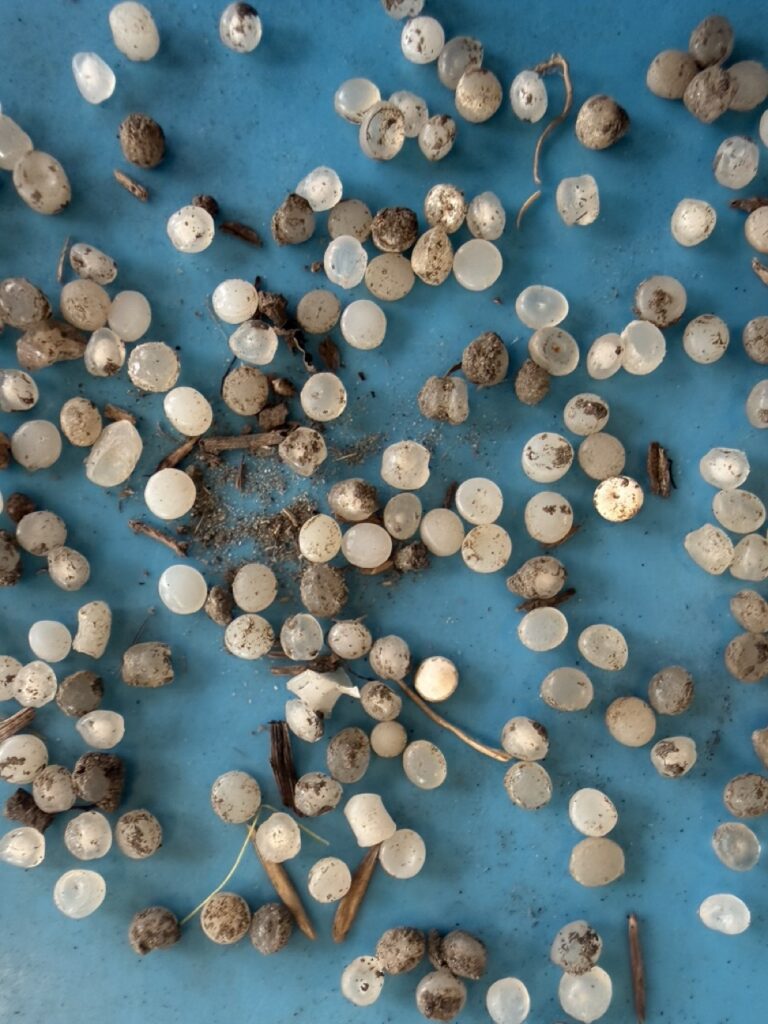
In June, represented by the SELC, we sent a formal Notice of Intent to Agru America, Frontier Logistics, Ray-Mont Logistics, and the South Carolina Ports Authority to notify them of our intent to pursue legal action if they fail to stop polluting your waterways with plastic pellets. Our sampling work since 2021 has documented persistent plastic pellet pollution in the Cooper River. This isn’t a one-time spill. It’s chronic, ongoing pollution that is 100% preventable. After documenting more than 30,000 nurdles in the Cooper River downstream from these facilities during our investigation, we’ve seen enough. We’ve held nurdle polluters accountable before and this action starts the clock on stopping the pollution. Learn more in this editorial from the Post & Courier.
Partnering to Help Repair Septic Tanks
Over the years we’ve been a persistent and vocal advocate for stopping and cleaning up bacteria and pathogen pollution from septic tanks. We need proactive local action to provide relief for communities now while our state policy plays catch up. We’re proud to be part of that action. This summer, we are kicking off a partnership with Mount Pleasant Waterworks on a septic repair and replacement program thanks to funding from the Healthy Harbor Grant Program, awarded by the Coastal Community Foundation.
Adding Another Strong Voice: Riley Egger joins the team!
The threats to your waterways are growing and our commitment to protecting them is unwavering. That’s why this summer, we welcomed Riley Egger as our first ever Advocacy and Policy Director. Riley joins Charleston Waterkeeper with nearly a decade of experience advocating not just for your natural resources, but also for the people and wildlife that depend on them. Riley has worked alongside Charleston Waterkeeper since 2018 in her roles with the Southern Environmental Law Center and Coastal Conservation League, and we’re thrilled to have her on our team. We’re not kidding when we said she’s been right alongside us. Check out this OpEd co-authored by Riley and Andrew in the Post and Courier from 2023. Commentary: Best time to prevent pollution is before the tank is installed.
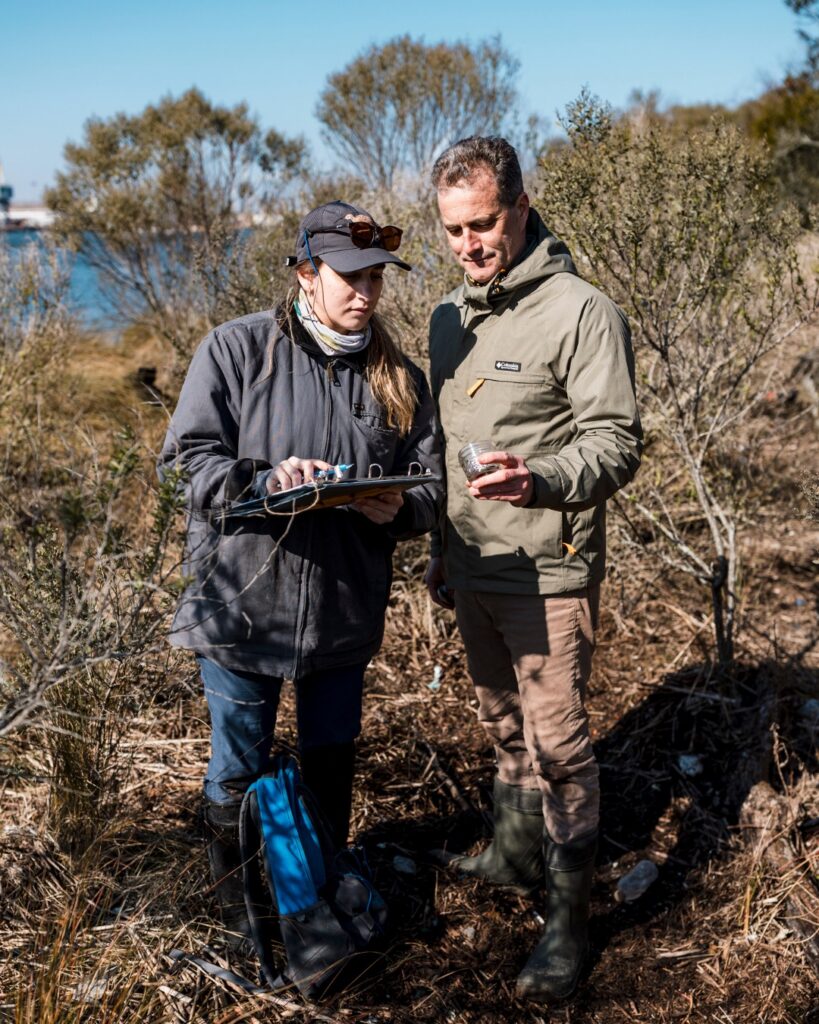
Riley and Andrew documenting plastic pellet pollution / Joel Caldwell
Working for your Wetlands
Wetlands work for us 24/7/365. They provide unmatched storm and floodwater storage, enhance water quality by filtering out pollutants, act as habitat and nursery grounds. And, they do it all for free (but only if we’re smart enough to protect them). Recent rollbacks remove federal protections and leave your wetlands vulnerable to fill-and-build style development. Without any state protections in place it’s up to local municipalities to step in. In Mount Pleasant, we advocated alongside our partners at the Southern Environmental Law Center for an ordinance to add commonsense protections for critical isolated wetlands. The ordinance passed unanimously on April 14, 2026 (read more here!). But this is just the beginning. We’re working with a host of partners to expand protections in other municipalities across the Lowcountry.